Glenda: A Clean, Minimal Sans Serif Font for Handmade Creators
There’s that quiet moment—just after the wax has cooled on a new candle batch—when I open my design software and stare at a blank label template. I’ve got the scent name typed out in three different fonts, but none feel quite right. Too playful for a lavender-vanilla blend. Too heavy for something so soft and intentional. Then I load Glenda, type “Evening Calm,” and exhale. It’s not flashy. It doesn’t shout. But it holds space with quiet confidence—and suddenly, the label feels finished.
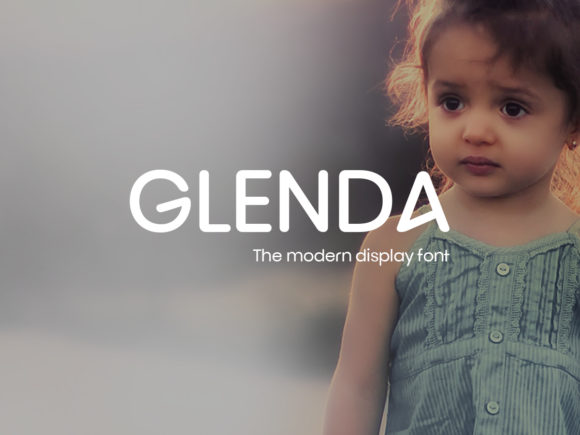
That’s Glenda in action: a minimal, neat sans serif font built for clarity, calm, and craft. It’s not trying to be trendy or nostalgic—it simply works. Its letterforms are balanced and open, with gentle curves and even spacing that breathe beautifully on small labels, delicate greeting cards, and crisp digital printables. The lowercase ‘a’ and ‘g’ are classic single-story—clean enough for Cricut cut files, legible even at 6pt on a tea bag tag. Uppercase letters stand tall without stiffness, making them perfect for boutique packaging or wooden sign mockups.
I’ve used Glenda across real projects this season: printed kraft paper tags for handmade soap bars, wedding invitation suites where the couple wanted “elegant but unfussy,” printable wall art for nurseries (think soft watercolor backgrounds + Glenda’s airy title text), and even the subtle “Hand-poured • Small Batch” line on candle jar sleeves. Each time, it grounded the design—not by dominating, but by supporting. It’s a font that lets your product, texture, color, and message take center stage while quietly elevating the whole impression.
What makes Glenda especially useful for makers is how gracefully it scales. As a display font, it shines in titles and headings—on planner cover pages, holiday sticker sheets, or tote bag prints—without losing warmth. As body text? It handles short phrases beautifully: ingredient lists, care instructions, quote cards, shop policies. It’s not designed for long paragraphs (no need to force it there), but for the concise, intentional wording we use most—“Made with Love,” “Freshly Brewed,” “Est. 2021,” “For You.” That’s where its rhythm truly sings.
Readability matters—especially when cutting vinyl or printing tiny stickers. Glenda’s clean terminals, generous x-height, and consistent stroke weight make it highly reliable for Silhouette and Cricut machines. No tricky joins or fragile serifs to snap mid-cut. On physical items—like ceramic mugs or cotton tees—the font reproduces cleanly whether screen-printed, heat-pressed, or foil-stamped. And in digital listings? It previews crisply on Etsy thumbnails and Instagram story templates, helping your shop visuals feel cohesive and professional—even before a customer clicks.
Pairing Glenda is intuitive. With a simple serif like Lora or Playfair Display, it creates thoughtful contrast—ideal for invitation suites or editorial-style printable guides. Next to a light script font (think flowing but legible, not overly ornate), Glenda anchors the composition: “Celebrate” in Glenda, “Sarah & James” in script. For modern packaging or Shopify banners, pairing Glenda with itself—using its regular weight for body and a slightly bolder version (if included) for headlines—adds subtle hierarchy without visual clutter. Always check what weights and styles are included: many sans serif fonts offer only Regular and Bold, but some include Italics, Light, or even stylistic alternates—great for adding nuance to seasonal collections or limited-edition releases.
Before finalizing any product—whether it’s a physical candle label, a PDF printable planner, or an SVG file for crafters—I double-check three things: first, that the font file includes commercial licensing (non-negotiable if you’re selling anything with Glenda embedded or outlined); second, that it supports the characters I need (standard Latin, accented letters for bilingual tags, or symbols like ™ or ©); and third, that the format works for my workflow (OTF and TTF are safest for most design apps and cutting machines). Glenda’s simplicity means it usually plays well with others—but verifying saves time later.
It shows up thoughtfully in places you might not expect: the fine print on a holiday ornament box (“Hand-assembled in Portland, OR”), the title of a digital habit tracker, the “Thank You” line on a receipt insert tucked into a gift box. Even on rustic wood signs—where texture competes with typography—Glenda’s even weight and open counters keep words legible from across the room. And because it’s a sans serif font, it bridges digital and physical effortlessly: same font, same voice, whether it’s on your Canva listing banner or stamped onto a linen pouch.
What I love most isn’t how Glenda looks—but how it feels to use. There’s no overthinking. No scrolling through dozens of options. Just opening the font menu, selecting Glenda, and knowing the type will behave: clear, kind, consistent. It doesn’t distract. It doesn’t apologize. It simply helps your handmade work speak with quiet assurance. Whether you’re designing your first Etsy listing or your hundredth seasonal collection, Glenda is the kind of font that grows with you—neat enough for today’s label, timeless enough for next year’s rebrand.
So next time you’re choosing type for a new product—before the ink dries, before the cut file runs, before the first customer sees it—try Glenda. Not as decoration. But as intention made visible.